
The Role of Media in the Protection of Marginalised Communities during the 2027 Elections
The Role of Media in the Protection of Marginalised Communities during the 2027 Elections
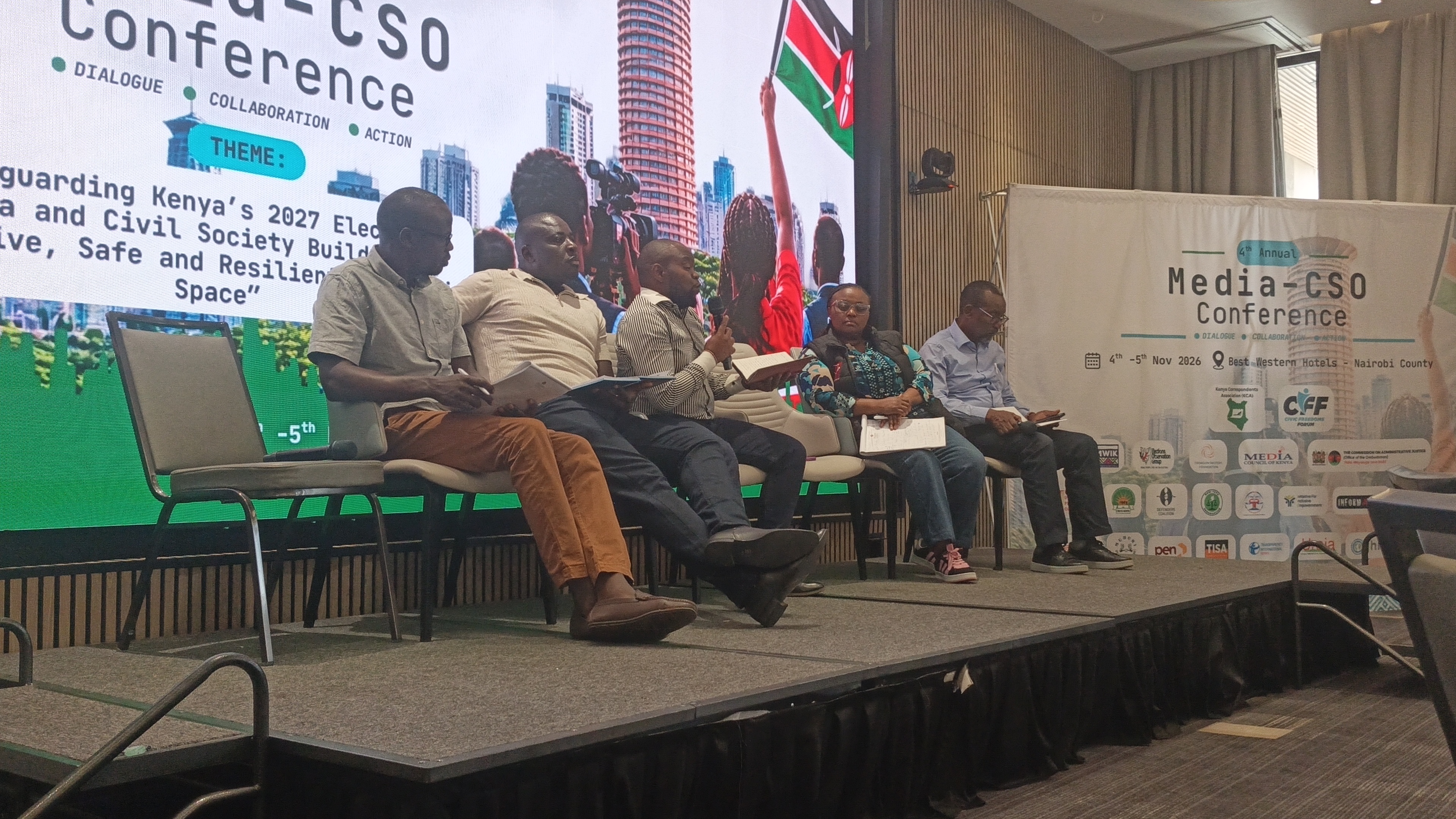
Nairobi, Kenya - As Kenya prepares for the 2027 General Elections, there has been a realisation across the country. Civil society organisations, experienced media personalities and human rights advocates gathered in the capital city, Nairobi to attend the 4 th Annual Media-CSO Conference. The conference focused on protecting democratic values in Kenya by creating a strategic and aggressive plan to counter misinformation, protect the shrinking space for civic engagement and empower marginalised communities.
This included CEMIRIDE as one of the few civil societies included in the conference. CEMIRIDE’s communications team attended the conference. This allowed CEMIRIDE to feel validated in their work and also create partnerships for the future.
Inclusive Language
One of the key points of the conference was the push for inclusive language. The delegates and minority rights advocates emphasised the importance of creating accessible language for marginalised communities. They emphasised how if the information provided to people about elections and civic education is difficult to understand due to using complicated legal terminology, it undermines democracy.
Many people across ASAL counties and isolated indigenous communities do not have a language that makes them feel included in the democratic process. During the conference it was discussed how ensuring everyone can understand the language used during elections is a vital part of protecting their democratic rights. This includes:
Articles 56 and 63. The constitution states in Article 56 that the State shall undertake affirmative action plans to ensure that minority and marginalised communities are included and represented. In Article 63 it states that communities have a right to their land which is key to ensuring political stability and reducing conflict in ASAL areas.
The UN Declaration on the Rights of Indigenous Peoples (UNDRIP) - Article 13. This article recognises that indigenous people have the right to promote, use, develop and transmit their language and culture to future generations. They also state that States have a responsibility to ensure that marginalised communities understand and are understood during political, legal and administrative processes.
Ensuring information is translated into local languages for pastoralist communities across ASAL areas creates a real change. This means that pastoralist and minority communities feel included and are knowledgeable about elections.
Supporting Journalists and Human Rights Defenders
The conference also discussed how to protect those who report on the democratic process. The delegates stressed how important it is to support grassroots human rights defenders and local journalists by providing them with early warning systems, legal protection and safety networks. These will work in partnership with civil society organisations.
As we are now entering an age involving AI and deepfake, panelists highlighted how news rooms must work with specific CSOs to ensure communities have media literacy skills. Emerging journalists should be trained to fact check, understand digital security and have mentorship around their safety. This will protect them from being manipulated in politics.
Creating a Unified Pathway
The 4 th Annual Media-CSO Conference concluded with media outlets and civil society organisations making a commitment to monitor elections, protect communities and ensure marginalised voices are heard.
By uniting the national constitutional values and international human rights values, organisations such as CEMIRIDE were able to make it clear that Kenya’s democracy must be protected for all citizens. This must be done inclusively and ensure that everyone, no matter what language they speak, region they live in or culture they belong to, can confidently, safely and proudly take part in their democratic journey.