
Voice of Change: Championing Drought Tolerant Farming
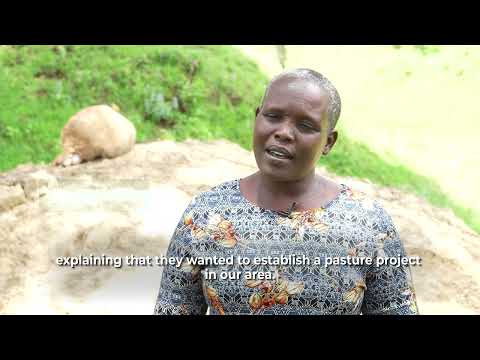
When the rains become unreliable, the crops that survive are the ones communities have always known best. Jane Chepkwony's story is about exactly that kind of indigenous knowledge put back to work: intercropping sorghum, a drought-tolerant staple, directly with pasture grasses.
The result is a single plot that does two jobs at once - sorghum for human food, and pasture for livestock - both bred for resilience long before "climate-smart agriculture" became a term of art. For a pastoralist community increasingly squeezed by shifting weather patterns, that dual harvest is the difference between a bad season and a devastating one. It is also a quiet rebuttal to the idea that resilience has to be imported: Jane's community already had the answer, rooted in generations of farming the same land.
This story is one of seven told by community champions themselves, part of Voices for Change - a partnership between the CGIAR Initiative on Climate Resilience (ClimBeR) and CEMIRIDE exploring how indigenous knowledge and rights-based approaches are already building climate resilience across Kenya's minority and indigenous communities.